How to Prepare for a Veneers Appointment in Oxnard CA
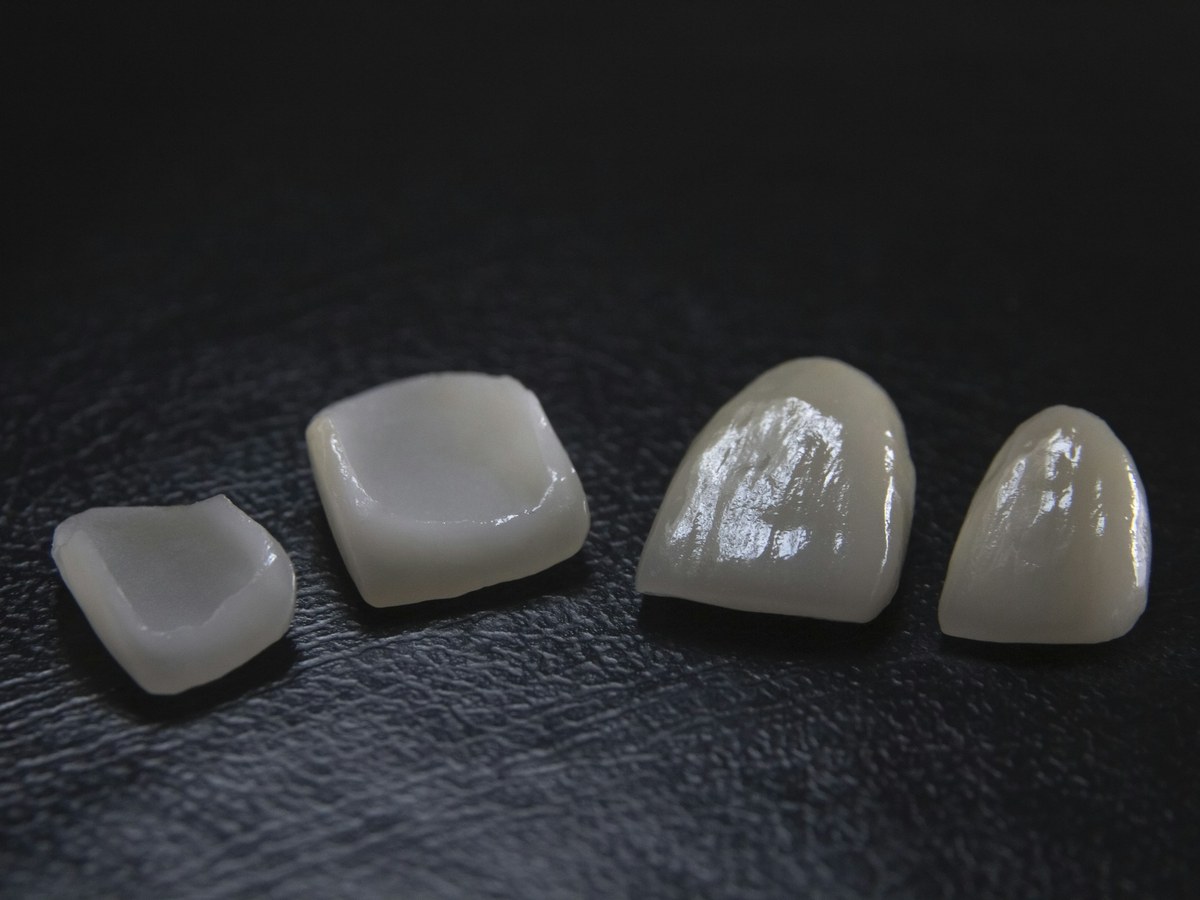
Veneers can change more than the color or shape of your teeth. They can change how you speak in photos, how often you smile without thinking about it, and how much attention you give to little habits that never seemed important before. If you have an appointment scheduled, preparation matters more than most people expect. A veneers consultation or treatment visit is not like getting a routine cleaning. It is a cosmetic decision with lasting consequences, and the better prepared you are, the smoother the process tends to go.
Patients looking into Veneers Oxnard CA often focus on the final result, which makes sense. People want straighter-looking front teeth, a brighter smile, or a way to correct chips and uneven edges without orthodontics or whitening alone. What gets overlooked is everything that happens before the veneers are placed: the records, the conversations, the bite evaluation, the temporary phase, and the practical planning that makes the experience less stressful.
A good veneers appointment starts well before you sit in the chair. It starts with understanding what you want, what your teeth can support, and what questions need clear answers.
Know what you want changed, and what you do not
The most productive cosmetic appointments happen when the patient has a specific sense of what bothers them. Not a vague desire to "look better," but a clear idea of what they notice when they smile. Sometimes it is one central tooth that looks darker than the others. Sometimes the issue is small, like worn corners or spacing near the sides. Sometimes patients ask for "perfectly straight white teeth" and then realize what they actually want is a softer, natural-looking smile that still fits their face.
Before your appointment, spend a few days paying attention to your smile in ordinary settings. Look at yourself in natural daylight, in your car mirror, on video calls, and in relaxed candid photos. Veneers can address shape, proportion, surface texture, and color, but the design should fit your age, face shape, lip movement, and personality. A smile that looks great on someone else can look unnatural on you.
It helps to think in terms of priorities. Are you most concerned about brightness? Symmetry? Closing spaces? Fixing chips? Making short teeth look longer? Those distinctions matter because they influence how conservative or extensive the treatment needs to be.
Bringing inspiration photos can help, but use them carefully. They are useful for communicating preferences, not for demanding an identical outcome. Tooth anatomy, gum levels, bite relationship, and facial structure vary too much for copy-and-paste cosmetic dentistry.
Get your dental health in order first
Veneers sit on teeth that still need to be healthy. If you have active decay, inflamed gums, heavy tartar buildup, untreated grinding damage, or pain when you chew, those problems usually need to be addressed before cosmetic treatment moves forward. Veneers are not a shortcut around basic dental care.
One of the more common reasons veneer cases get delayed is gum inflammation. Even mild gingivitis can affect impressions, scans, shade matching, and final fit. If your gums bleed every time you floss, that is worth dealing with before your appointment. Healthy gums frame veneers. Unhealthy gums make even beautiful ceramic look less convincing.
If it has been a while since your last exam or cleaning, ask whether you should schedule one before your cosmetic consultation or prep visit. Many dentists prefer a clean, stable baseline before making final recommendations. That is especially true if stain, recession, or bite wear are part of the picture.
Grinding and clenching deserve special mention. Plenty of patients do not realize they do it until they hear it from a partner or see flattened edges on their front teeth. Veneers can look excellent in patients who clench, but the treatment plan may need extra protection such as a night guard, adjusted bite design, or a discussion about whether another approach would preserve more tooth structure.
Gather the information your dentist will actually use
A little preparation can make the consultation much more efficient. Cosmetic dentistry is visual, functional, and highly personal. The better your records and questions, the more specific the guidance you will get.
Bring a short written note with the concerns you want addressed. That may feel overly formal, but it helps. People Veneers Oxnard CA often forget half their questions once the appointment starts. If you have older photos of your smile from ten or fifteen years ago, those can be surprisingly useful. They sometimes show what your natural tooth length used to be before wear changed your smile.
If you have had prior cosmetic work, whitening, bonding, orthodontics, jaw pain treatment, or trauma to the front teeth, mention it. A front tooth that had root canal treatment years ago behaves differently from a completely untouched tooth. Existing bonding can affect shade and bonding strategy. Previous orthodontics can influence how much enamel is available and where edges should be positioned.
This is one area where specifics matter. "I had some work done a while ago" is less helpful than "my front right tooth was bonded after a sports injury" or "I whitened two months ago with custom trays."
Ask the right questions at the consultation
A veneers consultation should not feel rushed. It should include discussion, photos or scans, evaluation of bite and gum health, and a realistic conversation about what veneers can and cannot do. The goal is not just approval for treatment. The goal is clarity.
These are the most useful questions to ask:
- Am I a good candidate for veneers, or would bonding, whitening, or orthodontics solve the issue more conservatively?
- How many teeth do you recommend treating, and why that number?
- How much tooth reduction do you expect, if any, for my case?
- What will the temporaries be like, and how closely will they preview the final result?
- What kind of maintenance and replacement timeline should I realistically expect?
Those questions cut through most of the confusion. They shift the conversation from marketing language to clinical judgment. A strong cosmetic dentist should be able to explain why they recommend six veneers instead of eight, or why whitening first might produce a better overall result, or why your bite makes no-prep veneers a poor fit.
If you are exploring Veneers Oxnard CA because you want a bright smile quickly, this is the moment to slow down and listen carefully. Fast treatment is not always the best treatment. The front teeth are too visible for guesswork.
Understand the prep appointment before it happens
Many patients think the veneer appointment is one event. In reality, there are often multiple stages. The consultation is first. The preparation appointment, when teeth may be reshaped and impressions or scans are taken, is another. Then there is temporaryization in many cases, followed by the final delivery appointment.
The prep appointment is the one people are most nervous about, usually because they do not know what will happen. In many cases, the teeth receive local anesthetic, then the dentist reshapes the enamel as planned. The amount removed depends on the design, material, and starting position of your teeth. Some cases require very little reduction. Others need more careful reshaping to avoid bulky results.
After that, your dentist records the new shapes with either a digital scan or a traditional impression, along with shade information and bite records. Temporary veneers may be placed if the teeth have been prepared enough to need protection or to maintain appearance while the final restorations are being made.
The temporary phase can teach you a lot. You may notice phonetics, lip support, edge length, and symmetry more clearly once something is physically on the teeth. Good dentists pay attention to that feedback because it can refine the final outcome.
Plan your calendar realistically
This is a cosmetic procedure, but it still affects normal life for a short time. If possible, do not schedule your prep appointment right before a wedding, major work presentation, vacation, or family photos. Even when things go smoothly, there can be temporary tenderness, mild speech changes, or an adjustment period with temporaries.
If you are receiving temporaries, avoid assuming they will feel exactly like the final veneers. They are a transitional phase. Some look excellent, but they are not as durable or polished as the final ceramic. That matters if you are planning social events.
A practical rule I often recommend is to leave some buffer between treatment and important public moments. Two to four weeks of breathing room gives you time for follow-up adjustments if needed. It also lowers your stress. Cosmetic work rarely benefits from tight deadlines.
Transportation usually is not a major issue if you are only having local anesthetic, but some people prefer not to drive immediately if they are numb for several hours or feel anxious after treatment. If you know dental visits make you tense, having someone with you can be worth it.
Eat, clean, and show up prepared
The simplest preparation often gets ignored. Eat before your appointment unless your office tells you otherwise. Sitting through a long cosmetic appointment on an empty stomach rarely helps. Choose something easy and not likely to leave seeds or debris lodged between the front teeth.
Brush and floss carefully beforehand. This is not because the staff expects perfection, but because clean teeth and healthy-looking gums help with scanning, shade evaluation, and temporary placement. If you wear lipstick, heavy tinted lip balm, or makeup that transfers easily, consider keeping it minimal. Dentists and assistants often retract the lips frequently during cosmetic work, and simple is easier.
Bring anything you need to stay comfortable during a longer visit, especially if the office allows it. Noise-canceling headphones, a light sweater, and lip balm can make more difference than people realize.
A short day-of checklist helps:
- Eat a normal meal unless instructed otherwise.
- Brush and floss thoroughly.
- Bring your questions, photos, and any relevant dental history.
- Avoid scheduling something important immediately after.
- Arrange time to rest if you expect to be numb or tired.
That kind of preparation sounds basic, but it changes the tone of the appointment. People who arrive calm, fed, and organized usually make better decisions and have a better experience.
Be honest about your budget and your expectations
Cosmetic dentistry works best when the financial conversation is direct. Veneers are an investment, and cost depends on case complexity, materials, laboratory quality, number of teeth, and whether additional treatment is needed before starting. There is no advantage in pretending you are comfortable with a larger plan if you are not. A good Veneers Oxnard CA dentist can often discuss phased treatment, alternatives, or whether another option would better match your priorities.
Expectations matter just as much as budget. Veneers can create dramatic improvement, but they are not magic. They will not stop all future wear if you grind heavily. They will not look natural if the chosen shade is extremely bright and the surrounding teeth are untreated. They will not feel "invisible" on day one for every patient. Most people adapt quickly, but there is often a short period where the new edges feel noticeable simply because they are different.
One of the healthiest mindsets is to aim for improvement that still looks believable. The best veneer cases are often the ones that draw compliments without making people ask what procedure was done.
If you want whitening, timing matters
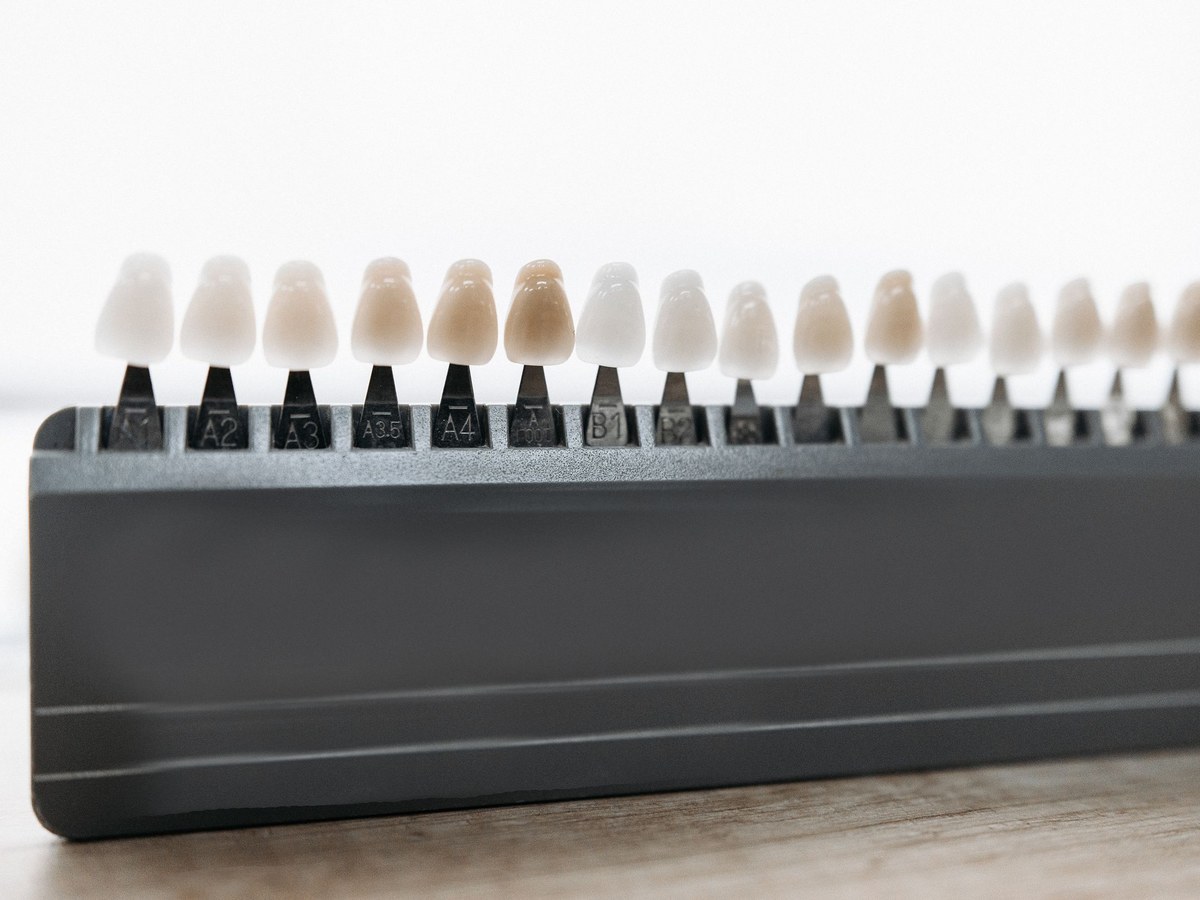
A common mistake is whitening at the wrong stage. Veneers themselves do not bleach after they are made, so the order of treatment matters. If your dentist recommends whitening the surrounding natural teeth first, do that before final shade selection. Otherwise you can end up matching veneers to a color you later change, which creates inconsistency.
Some patients also over-whiten, then request veneers that match an artificially bright shade they may not maintain. A more durable strategy is to settle on a tooth color you can live with long term, not just for the week of the appointment.
This is especially relevant when only a few veneers are being placed rather than a full visible smile zone. Shade blending becomes harder when natural teeth around the veneers are much darker or much brighter than expected.
Think about speech, bite, and daily habits
People usually focus on appearance, but function deserves equal attention. Front teeth influence certain sounds, especially "f" and "v" sounds, and edge length affects speech more than many realize. This does not mean veneers commonly cause lasting speech problems. It means the design process should respect function, not just photos.
Your bite also influences veneer longevity. If you tap edge-to-edge, slide heavily when chewing, or have a history of chipping front teeth, tell your dentist. That information changes design choices.
Daily habits matter too. If you chew ice, tear open packages with your teeth, bite pens, or snack constantly on hard foods, now is the time to stop. Veneers are strong, especially modern ceramics, but they are not intended to be used as tools. A person who spends thousands on cosmetic work and then cracks a veneer opening a pistachio shell with their front teeth has learned an expensive lesson.
Prepare for the temporary phase if your case includes it
Temporary veneers are often the part patients remember most vividly because they are the bridge between planning and final delivery. Some people love them. Some find them awkward for a few days. Both reactions are normal.
Temporaries can feel slightly bulkier, rougher, or less slick than final porcelain. They may stain more easily if you drink coffee, tea, or red wine heavily during that phase. Sticky foods can sometimes dislodge them. None of that means something is wrong. It means you are in the middle of treatment.
If your temporaries come off, call the office rather than trying to solve it yourself with store-bought adhesives. Keep the temporary if you can and follow the instructions you are given. The better you protect temporaries, the easier the final stage tends to be.
This is also the stage where feedback matters. If one tooth looks too long, if your speech feels off, or if your smile line does not match what you discussed, say so while there is still time to refine the final work. Polite honesty helps everyone.
Choose your dentist with as much care as the treatment itself
Preparation is not only about your teeth. It is also about confirming that you are in the right office. Cosmetic dentistry varies widely from one provider to another. That does not mean you need the most expensive option in town. It means you need a dentist who evaluates comprehensively, communicates clearly, and can show work that matches the style you want.
When patients search for Veneers Oxnard CA, they often compare prices first. That is understandable, but cosmetic dentistry is one area where the lowest quote can become expensive later if the design is rushed, the bite is ignored, or the veneers look opaque and bulky. Lab quality, planning, and experience matter.
Look for before-and-after cases that resemble your starting point, not just dramatic smile makeovers on already favorable teeth. Ask how much of the dentist's work involves cosmetic cases. Notice whether the office talks about enamel preservation, gum health, and bite, not just brightness and speed.
What to do the night before
Keep the night before simple. Do not start overthinking every detail. Confirm your appointment time, gather anything you want to bring, and get enough sleep. If you tend to carry tension in your jaw, avoid clenching while trying to fall asleep. It sounds obvious, but anxious patients often wake up with sore chewing muscles before a cosmetic visit.
If the office has prescribed anything, such as pre-appointment medication for anxiety or antibiotics in a specific circumstance, follow the instructions exactly. If you are uncertain, call and clarify before the appointment day.
A calm evening, a normal breakfast, and realistic expectations do more for your experience than any last-minute internet search.
The real goal of preparation
The point of preparing for a veneers appointment is not to become an expert overnight. It is to walk in informed enough to participate well in the process. You should know what bothers you about your smile, understand the basics of the timeline, be ready to discuss alternatives, and have enough practical planning in place that the appointment does not feel chaotic.
That kind of preparation changes the tone of the entire experience. It makes communication easier. It lowers the chance of disappointment. It also improves the quality of the final result, because cosmetic dentistry depends heavily on cooperation between patient, dentist, and laboratory.
A beautiful veneer case is rarely the product of luck. It usually comes from thoughtful planning, clear goals, careful preparation, and a dentist who pays attention to both detail and restraint. If you are considering Veneers Oxnard CA, that is exactly where your focus should be before the appointment begins.
Oxnard Dentistry
1730 E Gonzales Rd, Oxnard, CA 93036, United States
+1 805-307-8731
FAQ About Veneers Oxnard CA
How long do porcelain veneers last?
Porcelain veneers can last for many years, but they can chip, loosen, or wear over time. Their lifespan depends on factors such as your bite, whether you grind your teeth, and daily care. Regular dental visits let your dentist check their condition.
Are dental veneers permanent?
Traditional veneers often require removing a small amount of enamel, so that change to the tooth is generally irreversible. Veneers can still need repair or replacement. Ask your dentist how much preparation your teeth would require.
How much do veneers cost in Oxnard?
Cost depends on the material, how many teeth you want treated, and whether you need other dental work first. Ask for a written estimate that explains the price per tooth and what is included.