How Wisdom Teeth Removal in Oxnard CA Helps Prevent Crowding
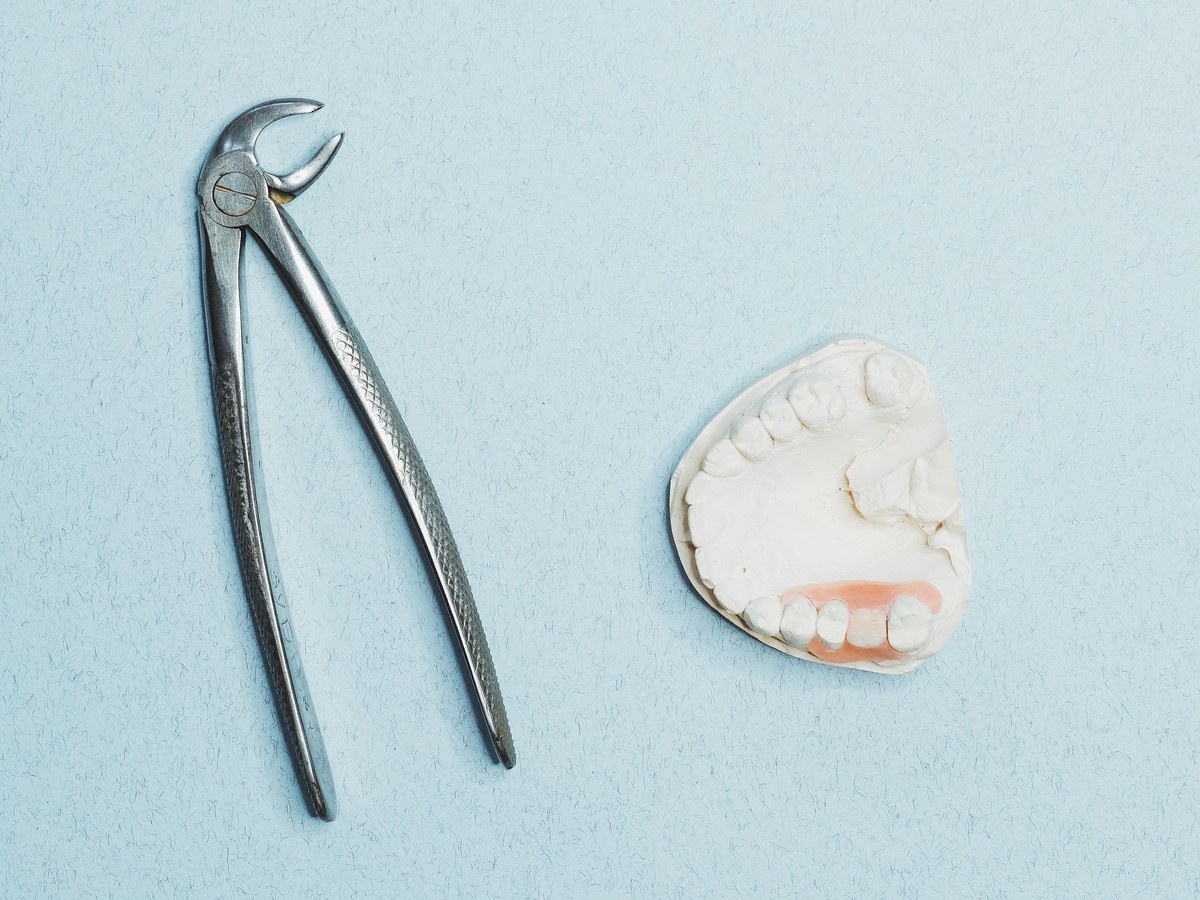
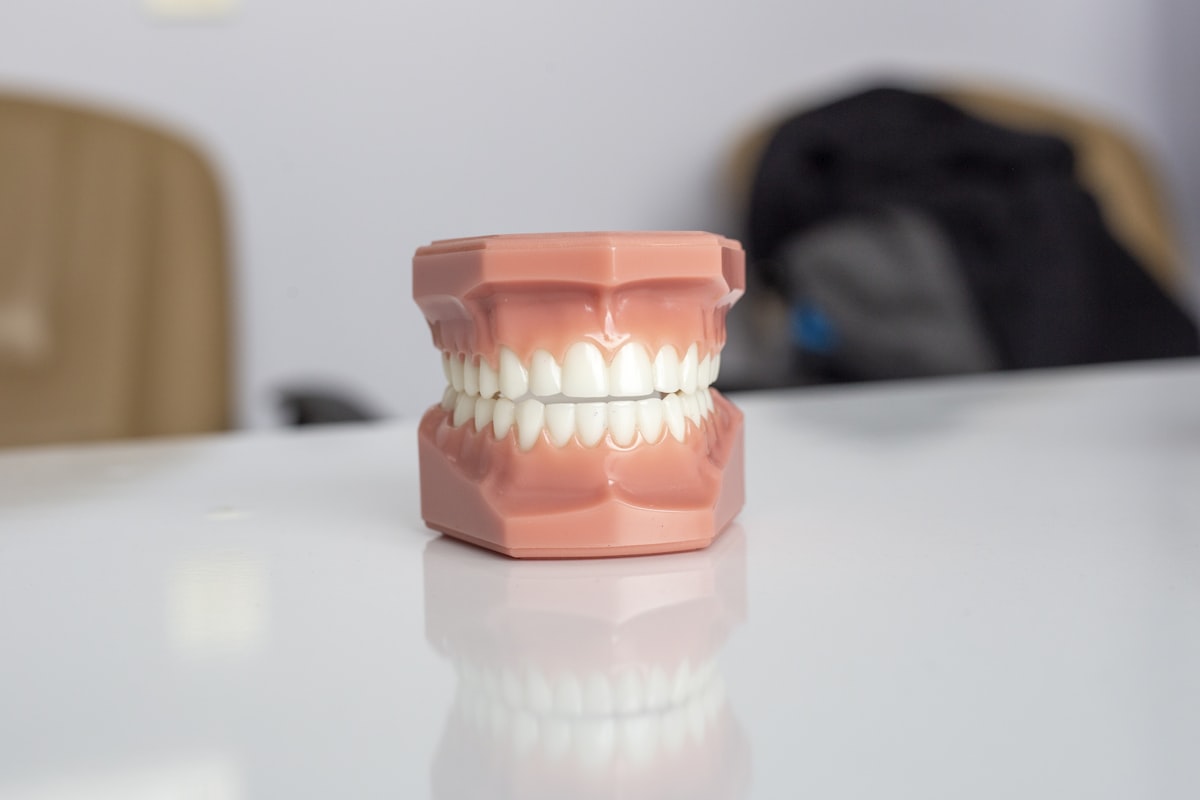
When people hear that wisdom teeth should come out, they often assume the reason is simple, pain. Sometimes that is true. A partially erupted third molar can ache, trap food, and inflame the gums enough to make chewing miserable. But discomfort is only part of the picture. One of the most common concerns tied to wisdom teeth is crowding, especially in the late teens and early twenties, when patients notice that teeth which once looked straight suddenly seem harder to floss or start overlapping near the front.
That concern deserves a careful explanation, because the relationship between wisdom teeth and crowding is not always presented with enough nuance. In a real dental setting, the conversation is less about a sweeping rule and more about anatomy, timing, and risk management. For many patients seeking Wisdom Teeth Removal Oxnard CA, the goal is not just to solve a current problem. It is to protect the alignment and health of the surrounding teeth before more complicated issues develop.
Why crowding becomes a concern in the first place
The average adult mouth does not have endless space. By the time the permanent teeth are in place, the dental arch is already doing a tight balancing act. Most people have 28 functional permanent teeth in position before wisdom teeth attempt to erupt. Then the third molars, which are the last to arrive, try to find room at the very back of the jaw.
That is where trouble often begins.
In many patients, wisdom teeth emerge at an angle, remain trapped under the gums, or push forward against the second molars. Even when they do not erupt fully, the pressure and lack of available space can create a chain reaction in the back of the mouth. The front teeth, particularly the lower incisors, are often where patients first notice changes. Those teeth are naturally smaller, closer together, and more vulnerable to even slight shifts over time.
Not every crooked front tooth can be blamed on wisdom teeth alone. Age-related changes in bite forces, jaw growth, bone remodeling, and natural drifting all play a role. Still, in practice, impacted or poorly positioned third molars can add one more source of force in an already crowded system. For a patient who has worn braces, had Invisalign, or simply values keeping their smile stable, that extra pressure matters.
The anatomy behind the problem
Wisdom teeth, also called third molars, usually try to erupt between ages 17 and 25. By then, jaw development is mostly complete. If the jaw is broad and there is enough room, those teeth may come in without much trouble. That does happen, though less often than many people think.
More commonly, the lower wisdom teeth tilt forward. Dentists call this mesial angulation. Instead of rising straight up like the other molars, they lean toward the tooth in front of them. That position can wedge food and bacteria between teeth, irritate the gum tissue, and place pressure against the second molar. Upper wisdom teeth can also erupt at odd angles, sometimes biting into the lower gum or remaining partially covered by tissue, which creates a chronic pocket for bacteria.
The back of the jaw is also harder to clean. Even a healthy patient with excellent brushing habits can struggle to reach a partially erupted wisdom tooth. That is why the conversation about crowding is usually part of a broader discussion that includes gum health, decay risk, and damage to neighboring molars.
What dentists and oral surgeons mean by “preventing crowding”
Preventing crowding does not mean a surgeon can guarantee your front teeth will never shift if your wisdom teeth are removed. Teeth move for many reasons over a lifetime. Anyone who promises otherwise is oversimplifying the biology.
What removal can do is eliminate a common source of pressure and reduce the chance that a poorly positioned third molar will contribute to crowding, bite disruption, or damage to adjacent teeth. In that sense, removal is preventive care. It is similar to fixing a drainage issue before it ruins flooring. You are not predicting a specific crack on a specific board. You are removing a known risk before it creates expensive consequences.
This matters even more for patients who have already invested in orthodontic treatment. A teenager who finishes braces at 16 may have beautifully aligned teeth, only to face erupting wisdom teeth a few years later. Retainers remain the first line of defense against relapse, but an impacted third molar pushing from behind is not something most orthodontists want to ignore.
Why timing makes such a difference
The best time to evaluate wisdom teeth is often before they become symptomatic. This surprises many patients. They assume that if nothing hurts, nothing needs attention. In oral surgery, that can be a costly assumption.
Removing wisdom teeth in the late teens or early twenties is usually more straightforward because the roots may not be fully formed, the surrounding bone is generally less dense, and healing tends to be easier. Once patients move into their thirties and forties, removal can still be done safely, but recovery may be slower, and the risk of complications can increase depending on root position and medical history.
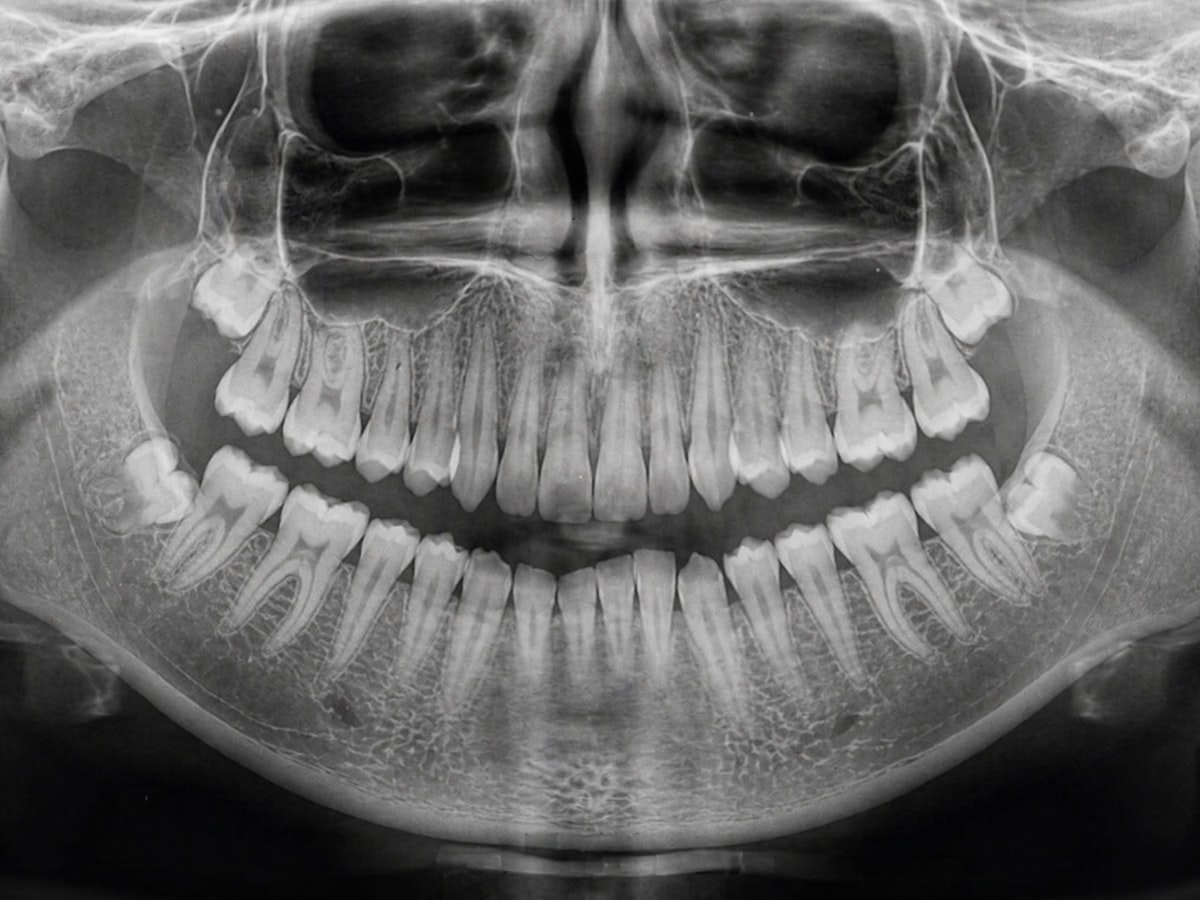
Early evaluation does not automatically mean early extraction. Sometimes imaging shows that the wisdom teeth are developing in a favorable position and can be monitored. Other times, a panoramic X-ray or 3D scan reveals a tooth lying sideways under the gum, pressing into the second molar, or sitting in a way that almost guarantees future trouble. In those cases, waiting often adds risk rather than reducing it.
A patient in Oxnard who comes in at 18 with no pain but obvious impaction is often easier to treat than a patient who waits until 29, after repeated swelling, food trapping, or damage to the second molar. Preventive planning is rarely dramatic, but it pays off.
How crowding shows up in real life
Crowding is not always obvious at first. Patients do not usually walk in saying, “My lower central incisors have shifted by 1.5 millimeters.” They say things like their retainer feels tighter, floss keeps shredding in one spot, or one front tooth suddenly looks twisted in photos.
Those observations are worth taking seriously. Small changes in alignment can affect more than appearance. They can make plaque removal harder, which increases the risk of tartar buildup and gum inflammation. A slight overlap in the lower front teeth may seem cosmetic, but if it creates a cleaning challenge day after day, the long-term effect can be very practical.
Common signs that warrant a professional evaluation include:
- A retainer that no longer fits the way it used to
- New overlap or twisting in the front teeth
- Repeated gum swelling behind the second molars
- Food trapping near the very back of the mouth
- Jaw soreness or pressure during eruption years
These signs do not prove that wisdom teeth are the only cause. They do indicate that the bite and eruption pattern deserve a closer look.
The Oxnard factor, local habits and patient patterns
In a community like Oxnard, dental professionals see a wide range of patients, from teenagers preparing for college to working adults who delayed care for years because life got busy. Sports schedules, school calendars, seasonal work, and family responsibilities often shape when people finally book an exam. Wisdom teeth tend to enter the conversation at exactly the same time life becomes crowded in every other sense.
That practical reality matters. A college-bound patient may prefer removal during a school break, before symptoms flare up in the middle of exams. A young adult working long hours may put off evaluation until swelling becomes hard to ignore. Parents often bring in one child after another once an older sibling has gone through the process and they know what recovery really looks like.
For those looking into Wisdom Teeth Removal Oxnard CA, the local benefit is access to evaluation before the situation becomes urgent. That means imaging, a clear review of the tooth position, and a realistic conversation about whether removal now is wiser than waiting. The value is not only the procedure itself. It is the timing and judgment that come before it.
What happens if wisdom teeth are left alone
A wisdom tooth that is fully erupted, easy to clean, and properly aligned may not need removal. That is the exception people love to point to, and fairly so. Dentistry should not be one-size-fits-all.
But many wisdom teeth that look “fine” from a patient’s perspective are not fine clinically. A tooth can sit partially under the gum for years, collecting bacteria around the flap of tissue. This can lead to pericoronitis, which is a localized infection that causes swelling, pain, and sometimes difficulty opening the mouth. Other teeth never break through the gums at all, remaining impacted beneath the surface.
When impacted wisdom teeth are left in place, several things can happen. They can press against the roots of neighboring teeth, increase the risk of decay on the second molars, create cyst-like changes around the crown, or contribute to chronic inflammation. Even when crowding is not dramatic, the damage to the adjacent molar can be significant. Losing or heavily restoring a second molar because a wisdom tooth was left unchecked is a poor trade.
This is why the crowding conversation should never be reduced to appearance alone. Oral health is structural. What happens in the back of the mouth affects the entire system.
Why orthodontists pay attention to third molars
Orthodontists and oral surgeons do not always frame the issue in exactly the same way, but they often share a common concern: stability. After braces or aligners, maintaining tooth position takes cooperation from the patient and support from the underlying anatomy. Retainers matter. Bite forces matter. Wisdom teeth can matter too.
An orthodontist may notice that the posterior space is tight and ask for a wisdom tooth evaluation even before a patient feels symptoms. This is especially common when the lower arch was crowded to begin with. If the patient already had minimal room in the dental arch, any additional eruption pressure from the back is unwelcome.
That does not mean every orthodontic relapse is caused by wisdom teeth. Many adults who had braces as teenagers see some lower incisor crowding later simply because retention was inconsistent or natural age changes occurred. Still, removing problematic third molars can help eliminate one variable, which is often the sensible move when preserving alignment is the priority.
The evaluation process is more precise than many expect
A proper wisdom tooth consultation is not guesswork. It begins with a clinical exam and imaging, usually a panoramic X-ray and sometimes a 3D scan if root anatomy or nerve proximity needs closer review. The provider looks at eruption angle, root development, gum coverage, the relationship to the inferior alveolar nerve in the lower jaw, and the impact on the second molars.
From there, the recommendation depends on what the anatomy shows.
A patient with upright wisdom teeth, good gum access, and no signs of disease may be monitored. Another patient with a horizontal impaction pushing into the second molar usually gets a different recommendation, even if there is no pain yet. A third patient may have one side that clearly needs removal and another that can be watched. Real treatment planning is often that specific.
This is also where good communication matters. Patients should leave the visit understanding not just what is recommended, but why. If removal is advised to help prevent crowding, the explanation should include the actual position of the teeth and the likely consequences of waiting.
Recovery, what most patients can realistically expect
The fear of recovery keeps many people from dealing with wisdom teeth early. Fortunately, most healthy younger patients recover well, especially when the procedure is done before major infection or root complications develop.
The first two or three days are usually the most uncomfortable. Swelling peaks around 48 to 72 hours in many cases. Soft foods, cold compresses, rest, and careful hygiene are standard. Most people can return to school or desk work within a few days, though strenuous activity may need to wait longer. Full tissue healing takes more time, but the intense phase is relatively brief for most uncomplicated cases.
Patients who prepare well tend to do better. A simple home setup helps:
- Soft foods ready in advance, such as yogurt, mashed potatoes, smoothies, and soup
- Ice packs or cold compresses for the first day or two
- Prescribed or recommended medications filled before the procedure
- A ride home and someone available for support the first day
- A few days of reduced physical activity planned ahead
That kind of preparation often makes recovery feel manageable rather than disruptive.
Cases where removal may not be urgent
Professional judgment includes knowing when not to push surgery. Some adults have wisdom teeth that erupted normally years ago and have stayed healthy. Others have deeply impacted teeth that have caused no damage, no cyst formation, and no pressure symptoms, particularly in older patients where surgery carries its own considerations.
In those cases, active monitoring may be the better option. Monitoring should still be intentional. It means periodic imaging and exams, not forgetting the teeth exist. If conditions change, the recommendation can change too.
This is an important balance point. The goal is not to remove every wisdom tooth on principle. The goal is to identify when the likely benefits of removal outweigh the risks of leaving the tooth in place. For many teens and young adults with limited space, signs of impaction, or orthodontic concerns, that threshold is met.
The long-term value of acting before problems escalate
One of the less appreciated benefits of timely wisdom teeth removal is what it helps patients avoid. A difficult-to-clean partially erupted tooth can trigger repeated gum infections. A hidden cavity on the second molar can go undetected until it needs a crown or root canal. A slowly https://www.brownbook.net/business/40954834/oxnard-dentistry shifting lower arch can mean more orthodontic work later, especially if the patient stops wearing retainers because they no longer fit comfortably.
Preventive extraction is rarely exciting, but it often proves cheaper, easier, and less disruptive than crisis treatment. In practice, many patients who are happiest with their decision are the ones who handled wisdom teeth before a painful event forced the issue. They miss the weeks of recurrent swelling, the emergency visit before a trip, and the frustration of discovering damage to a neighboring tooth that had been healthy.
That is why Wisdom Teeth Removal Oxnard CA is often framed as a protective step, not just a reactive one. It can help preserve space, support cleaner alignment, reduce stress on neighboring teeth, and simplify life down the road.
Making the decision with clarity
A good decision about wisdom teeth should be based on evidence, not fear and not wishful thinking. If there is enough room, healthy eruption, and no sign of pressure or damage, observation may be perfectly reasonable. If the teeth are impacted, angled forward, irritating the gums, or threatening alignment, removal often makes strong clinical sense.
For patients concerned about crowding, the key question is not whether wisdom teeth are the sole cause of every orthodontic change. They are not. The better question is whether these specific wisdom teeth are likely to contribute to crowding or create preventable problems in this specific mouth. That is the level where sound dental advice lives.
When that evaluation is done early, especially during the late teen years or early twenties, patients usually have more options and an easier path. Waiting until pain makes the decision for you is rarely the most efficient route. In many cases, thoughtful timing is what protects both oral health and alignment.
Oxnard Dentistry
1730 E Gonzales Rd
Oxnard, CA 93036, United States
Phone: +1 805-307-8731
FAQ About Wisdom Teeth Removal Oxnard CA
How much does it cost to get wisdom teeth removed in California?
Fees depend on tooth position, the number of extractions, imaging and anesthesia. Oxnard Dentistry can provide an individual estimate after examining your teeth. Ask for an itemized plan and confirm insurance benefits before scheduling.
Will insurance cover wisdom teeth removal?
Coverage and out-of-pocket costs vary by policy and the treatment required. Ask the dental office and your insurer to verify benefits, annual limits and any authorization requirements. A benefit estimate does not guarantee payment.
Is 30 too old to have wisdom teeth removed?
Age alone does not determine whether extraction is appropriate. A dentist evaluates symptoms, tooth position, oral health and medical history. Healthy, functional wisdom teeth may be monitored; teeth causing disease or other problems may need treatment.