Preparing for Wisdom Teeth Removal in Oxnard CA
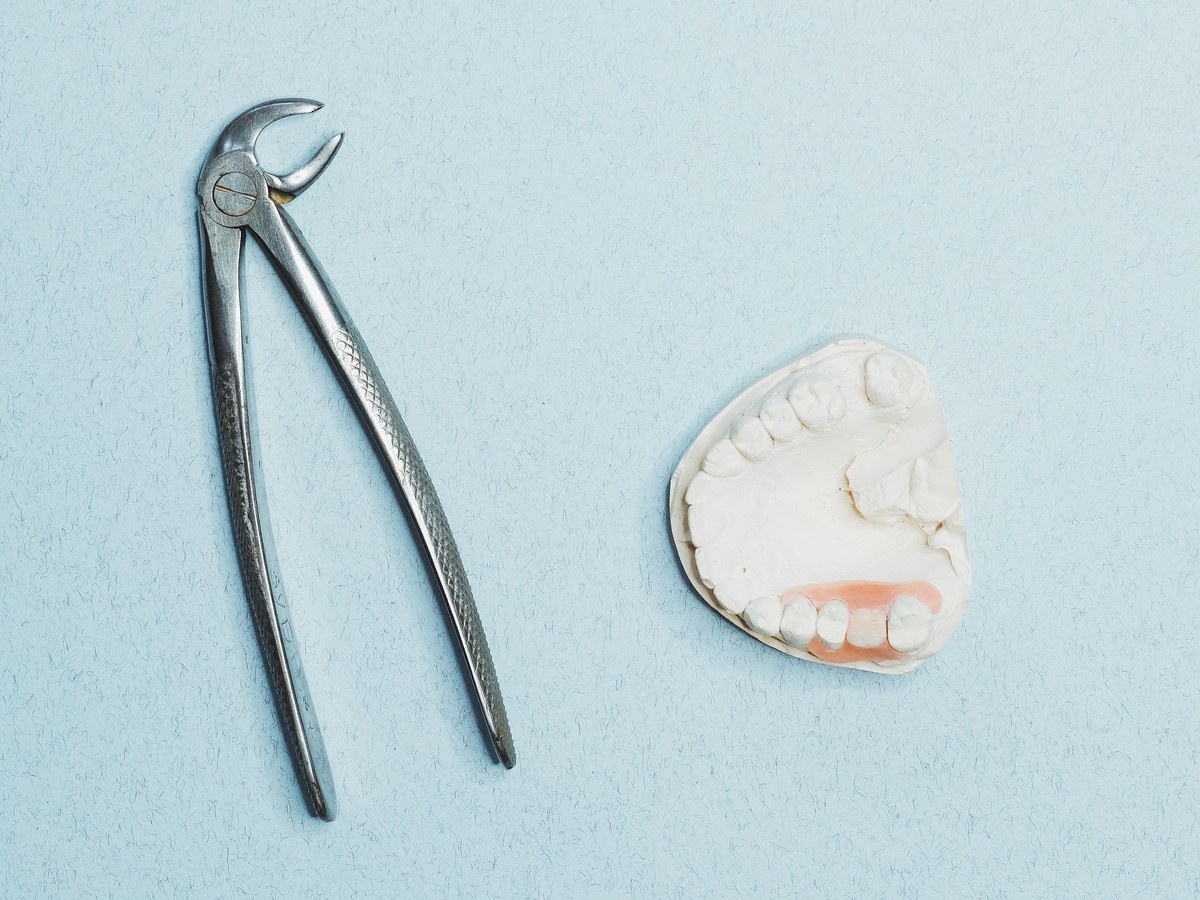
If your dentist or oral surgeon has recommended wisdom teeth removal, the advice can feel easy to postpone. Many people in their late teens or twenties are busy with school, work, family plans, or travel, and it is tempting to wait until the tooth actually hurts. In practice, that is often when the process gets harder. Wisdom teeth have a habit of causing trouble quietly at first, then all at once.
For patients planning Wisdom Teeth Removal Oxnard CA, preparation matters more than most people expect. It affects the smoothness of the procedure, the first few days of recovery, and even whether you end up making a frantic late-night pharmacy run with a numb mouth and limited patience. Good preparation does not make surgery glamorous, but it does make it more predictable, and predictability is a gift when you are dealing with oral surgery.
Why timing matters more than people think
Wisdom teeth, also called third molars, usually emerge in the late teen years or early adulthood. Some grow in normally and never create meaningful problems. Others come in partially, stay trapped under the gums, angle into neighboring teeth, or create pockets that are difficult to keep clean. That is where trouble starts.
A partially erupted wisdom tooth may not look dramatic, but it can trap food and bacteria in a way that leads to tenderness, swelling, bad breath, recurrent gum infections, or decay on the adjacent molar. I have seen plenty of patients who felt fine most of the time, then developed a painful flare right before a major event, a final exam, a wedding, or a work trip. Oral problems have terrible timing.
That is one reason oral surgeons often recommend removal before repeated infections begin. Younger patients also tend to heal more quickly, and in many cases the roots are not as fully developed, which can simplify surgery. That does not mean older adults cannot have wisdom teeth removed successfully. They can, and often do. It does mean that delaying for years can change the difficulty of the procedure and the pace of recovery.
In a place like Oxnard, where many people spend time outdoors, work physically demanding jobs, or have long family schedules, recovery planning deserves attention. A surfer thinking about when it is safe to return to the water has different practical concerns than an office worker who can take a video call from home the next day. The biology is the same, but the logistics are not.
What your consultation is really for
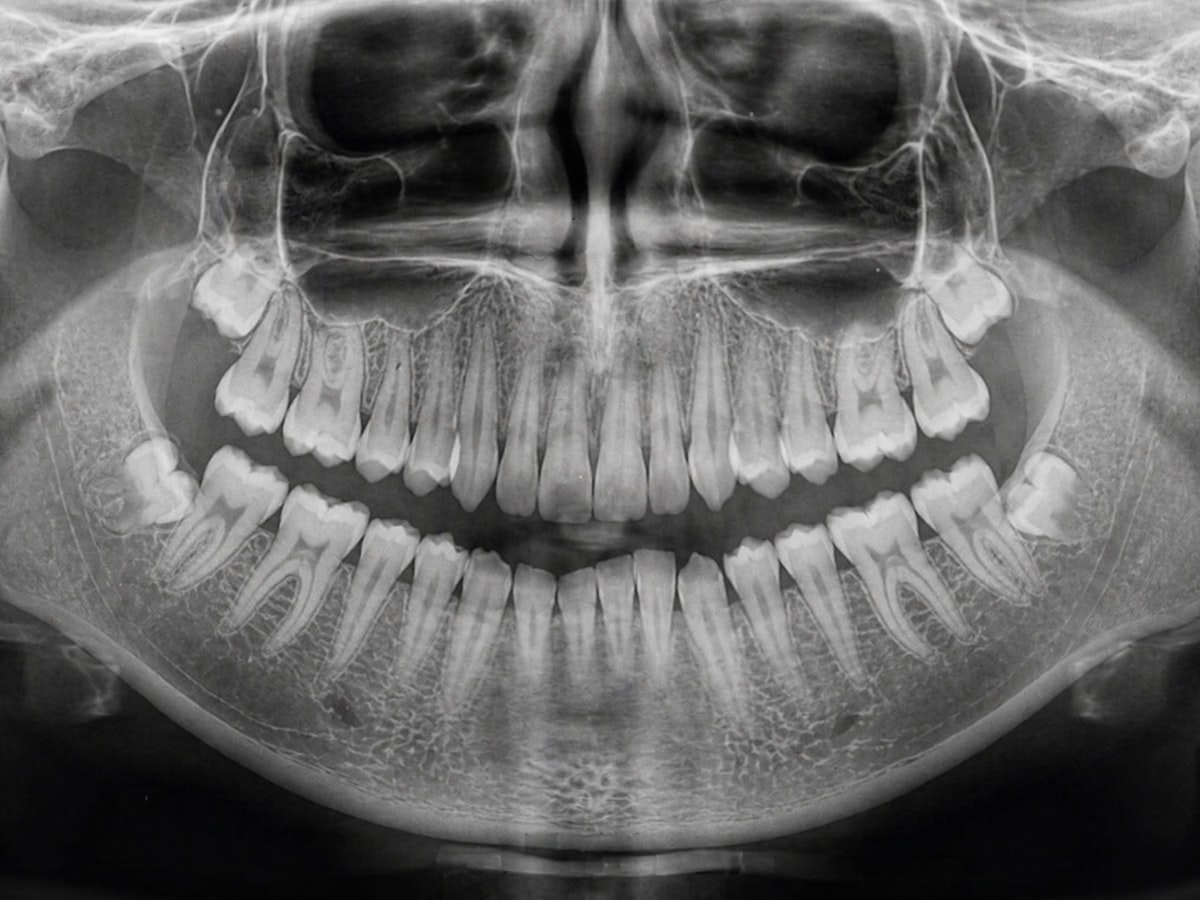
A proper consultation is not just a date-setting visit. It is where the oral surgeon determines whether the teeth are erupted, impacted, close to the sinus, or near important nerves in the lower jaw. Imaging helps answer those questions. Sometimes the findings are straightforward. Sometimes they require judgment.
A common example is the patient whose wisdom teeth are not hurting but are positioned in a way that increases the risk of future damage to the second molars. Another is the adult patient whose teeth have remained quiet for years, with enough room and healthy surrounding gum tissue that monitoring may be more reasonable than immediate removal. Good treatment planning is rarely one-size-fits-all.
This is also the appointment where you should discuss your health history honestly. Medications, supplements, allergies, prior reactions to anesthesia, smoking or vaping habits, jaw issues, pregnancy, diabetes, and bleeding disorders all matter. Even details that seem minor can affect sedation choices and post-op instructions. If you have had nausea after anesthesia before, say so. If you grind your teeth, mention it. If you are anxious in the dental chair, that is worth talking about too. Experienced oral surgery teams hear these concerns every day.
For anyone seeking Wisdom Teeth Removal Oxnard CA, the consultation is also the right time to ask practical local questions. How long will you need off work? How far are you driving home? Do you need someone to stay with you afterward? Coastal traffic, school pickup schedules, and work commutes may sound unrelated to oral surgery, but they can shape the day more than people realize.
Understanding the procedure without overcomplicating it
Wisdom teeth removal ranges from very simple to fairly involved. A fully erupted tooth with straightforward roots is different from a deeply impacted lower wisdom tooth lying sideways under bone. Your oral surgeon may remove one tooth, two, or all four in a single visit. The recommendation depends on symptoms, anatomy, and whether there is an advantage to handling everything at once.
Anesthesia options vary as well. Some patients do well with local anesthesia alone. Many choose a deeper level of sedation because it reduces awareness and anxiety. Neither choice is inherently better for everyone. The right option depends on your medical history, the complexity of the extraction, and your comfort level.
Patients often focus on whether they will feel pain during the procedure. With proper anesthesia, they should not feel sharp pain. More often, the better question is what to expect afterward. Pressure, swelling, limited jaw opening, and soreness are common. Severe pain that suddenly worsens several days later deserves a call to the office. So does persistent bleeding that does not slow with gauze and pressure.
The week before surgery
The best recoveries usually start before the procedure. People tend to picture surgery day as the main event, but the week leading up to it is when you set yourself up for an easier first 72 hours.
Try not to schedule wisdom teeth removal right before something important that cannot be moved. If you are a student, avoid stacking it next to a major exam if you can help it. If your work involves speaking, lifting, customer-facing communication, or physical labor, give yourself some cushion. Most people can resume light activity fairly quickly, but "can" and "want to" are different things when your cheeks are swollen and your jaw feels stiff.
Your oral surgeon may adjust instructions based on the anesthesia plan. If sedation is involved, you will likely need to avoid food and drink for a certain period beforehand. Follow that instruction carefully. Fasting guidelines are not casual suggestions.
It also helps to set up your home environment before https://codyavit284.clarionvale.com/posts/preparing-for-wisdom-teeth-removal-in-oxnard-ca surgery day. You do not need a dramatic recovery station worthy of a social media post. You need a realistic one. A few extra pillows, soft foods, ice packs, prescribed medications picked up in advance if allowed, and a clear plan for transportation do more good than anything fancy.
Questions worth asking before the appointment
Patients often leave the consultation remembering only half of what they meant to ask. A short written list can keep the visit focused. Useful questions usually center on the actual recovery experience, not just the procedure itself.
- Will my teeth be removed under local anesthesia, sedation, or general anesthesia?
- How many days should I realistically plan to take off from work, school, or sports?
- What prescriptions or over-the-counter medications should I have ready at home?
- What signs of normal healing should I expect, and what symptoms should prompt a call?
- When can I return to exercise, straws, smoking, or other habits that could affect healing?
Those five questions cover most of the surprises people run into later.
What to buy and what to skip
Preparation tends to go wrong in one of two ways. Some patients buy almost nothing and end up improvising while groggy. Others buy an entire internet cart of post-op gadgets they will never use. You need the middle path.
Soft, easy-to-eat foods are the most important purchase. Think yogurt, applesauce, pudding, cottage cheese, smoothies eaten with a spoon if needed, broth, mashed potatoes, oatmeal once the mouth is tolerating a little warmth, scrambled eggs after the first phase, and pasta cooked soft. Cool or lukewarm foods are usually more comfortable early on than anything hot. If you already know you get bored with sweet foods, stock savory options too. By the second or third meal, many patients are desperate for something that is not pudding.
You will also want ice packs or soft gel packs that fit the jaw area. Swelling often peaks around the second or third day, which surprises people who assume the worst will be over by the morning after surgery. Having a way to rotate cold therapy early on is genuinely helpful.
Gauze is typically provided, but it does not hurt to ask whether you should have extra at home. If your surgeon recommends a specific rinse or prescription mouthwash, pick it up before the procedure. If pain medication is prescribed, have it ready before you sit in the passenger seat on the ride home. Pharmacies seem to move slower when your face is numb.
Skip products that promise miracle healing. You do not need specialty recovery candies, expensive face wraps with built-in lights, or a pantry full of niche protein desserts unless you actually enjoy them. Simple works.
Surgery day, the small details that matter
Wear comfortable clothes and avoid anything that feels restrictive around the neck or chest. If sedation is planned, do not wear contact lenses unless the office says otherwise, and skip heavy makeup or lipstick. Remove facial jewelry if instructed. These are not cosmetic preferences, they are practical.
If you are receiving sedation, arrange for a responsible adult to drive you home and stay with you as directed. Rideshare services are usually not an acceptable substitute. This is one of those details patients occasionally try to negotiate around, and it almost never ends well. After sedation, people are not reliable judges of how alert they really are.
Bring your insurance information, identification, and any required forms, but do not overpack. Surgery days go more smoothly when the patient is not juggling a backpack, laptop, and three water bottles they cannot use yet.
Many people are most anxious in the waiting period right before the procedure. That reaction is normal. A calm, experienced oral surgery team can usually tell who is trying to act fine while gripping the armrest. If you feel nervous, say so. It is easier for the team to help when they know what you are feeling.
The first 24 hours, where most mistakes happen
The earliest phase of recovery is when good instructions matter. The goal is to control bleeding, protect the blood clot, reduce swelling, and stay ahead of pain. Most post-op problems are not dramatic surgical failures. They are preventable disruptions of early healing.
Biting on gauze with steady pressure helps bleeding slow. A small amount of oozing can be normal. Bright red bleeding that soaks gauze rapidly or continues heavily deserves a call. Rest with your head elevated. Take medications exactly as directed. If your surgeon has recommended alternating medications, write down the times. It is remarkably easy to lose track after a nap.
Hydration matters, but how you drink matters too. Straws can create suction that may dislodge the clot, particularly in the early period. That same concern applies to forceful spitting. Smoke and vaping exposure can also interfere with healing, and this is one of the moments where patients who "only do it socially" often realize that even occasional use can complicate recovery.
Dry socket deserves a brief mention because patients hear about it constantly and usually with more fear than clarity. Dry socket is not an infection in the usual sense. It is a painful healing complication where the clot is lost or breaks down too early, exposing underlying bone and nerves. Not everyone is equally likely to develop it, but suction, smoking, difficult extractions, and some individual factors can increase the risk. It is unpleasant, but treatable. The best move is prevention through careful post-op habits.
Eating after wisdom teeth removal
Appetite is often lower on the first day, especially if there is lingering nausea from sedation. That is normal. The mistake is assuming that not eating much means you should also skip fluids and medication. An empty stomach may make some pain medicines harder to tolerate, so work with the instructions you were given and try to get at least gentle calories in.
The progression back to normal food is less about the calendar and more about comfort and common sense. Start soft, cool, and easy. As soreness improves and jaw opening returns, add foods that require a little more chewing. Avoid sharp, crumbly foods at first because small bits can work their way into healing areas and become irritating.
A reasonable early food lineup looks like this:
- yogurt, applesauce, pudding, smoothies without a straw
- mashed potatoes, soft noodles, oatmeal after the first phase
- scrambled eggs, cottage cheese, soft rice when chewing feels easier
- lukewarm soup, blended if needed, but not scalding hot
- plenty of water, sipped gently throughout the day
That is enough variety for most people to get through the uncomfortable stretch without feeling deprived.
Swelling, bruising, and the recovery curve
People recover at different speeds, but the broad pattern is fairly consistent. The first day is often quieter than expected because numbness and medications buffer some discomfort. The second and third days can feel more swollen and stiff. Then things usually begin to turn.
This pattern is important because it keeps patients from panicking at the normal peak. Puffy cheeks, mild bruising, and limited mouth opening are common. Talking can feel tiring. Sleeping may be awkward. Smiling can pull at sore areas. None of that is pleasant, but much of it falls within the normal range.
The pace of improvement depends on the type of extraction and the individual patient. Four impacted wisdom teeth removed under sedation is a different recovery than a single erupted tooth taken out with local anesthesia. Age, smoking status, overall health, and how closely instructions are followed all play a role.
If you live in Oxnard and have plans involving sun exposure, beach days, gym sessions, or team sports, ask specifically when to resume them. It is better to hear, "Give it a few more days," than to push too soon and restart bleeding. Physical exertion raises blood pressure and can aggravate surgical sites before they are ready.
Returning to work, school, and normal life
There is no honest one-sentence answer for when you will feel normal again. Some people are back at light desk work within a day or two. Others need several days before they feel presentable and comfortable enough to focus. Jobs that involve lifting, public speaking, or customer interaction tend to be harder to resume immediately.
Students often underestimate how annoying jaw stiffness can be. Sitting in class may be feasible, but speaking, presenting, or simply staying comfortable for a long stretch may not be. If you wear orthodontic appliances or retainers, follow your surgeon's guidance on when to use them again. The details vary.
Exercise usually returns in stages. Walking is different from heavy lifting, and heavy lifting is different from a contact sport. If you are active, get a timeline tailored to you rather than relying on a friend's experience. Friends rarely had the same anatomy, the same procedure, or the same surgeon.
Warning signs that deserve a call
Most healing feels uneven but steadily better. A few symptoms should prompt you to contact the office rather than trying to tough it out. Increasing pain after initial improvement, fever, foul taste or drainage, persistent numbness beyond what was explained as expected, difficulty swallowing, or swelling that becomes dramatic or asymmetrical are all worth reporting.
Bleeding is another area where judgment matters. A little pink saliva can look dramatic in the sink and still be normal. Continuous, active bleeding that does not respond to pressure is different. When in doubt, call. Good surgical offices would rather answer a straightforward recovery question than hear that a patient spent six anxious hours trying internet remedies.
A note for parents and adult caregivers
When the patient is a teenager or young adult, the adult at home often ends up managing medications, meals, and reassurance. The first job is organization. Write down medication times. Keep fluids within reach. Expect the patient to be groggy, dramatic, stoic, or some rotating combination of all three.
The second job is observation. You are not expected to be a clinician, but you can notice whether swelling is within the expected range, whether pain medication is helping, whether nausea is improving, and whether the patient is actually drinking enough. Quiet dehydration makes everything harder.
The third job is restraint. Not every grimace means something has gone wrong. Recovery has its own rhythm, and it is rarely elegant. Calm supervision goes further than constant alarm.
Choosing the right time and the right team in Oxnard
For anyone considering Wisdom Teeth Removal Oxnard CA, the smartest move is not to wait until pain forces an emergency decision. Schedule the evaluation when you still have options. That gives you time to understand the findings, compare anesthesia recommendations, ask recovery questions, and choose a date that fits your life.
Look for a practice that communicates clearly. You want more than technical skill, though that matters enormously. You also want a team that explains what they see on imaging, tells you what recovery is likely to feel like, and gives written instructions that make sense when you read them at home with an ice pack on your face.
The ideal preparation is not elaborate. It is thoughtful. Know why the teeth are being removed. Understand the sedation plan. Set up your home before the procedure. Clear your schedule enough to recover without rushing. Have your soft foods, medications, and ride arranged. Then let the process be what it is, a common procedure that tends to go best when patients respect both the surgery and the recovery.
Wisdom teeth removal is rarely anyone's favorite appointment, but it does not have to be chaotic. With good planning and realistic expectations, most patients get through it with far less trouble than they feared at the start.
Oxnard Dentistry
1730 E Gonzales Rd
Oxnard, CA 93036, United States
Phone: +1 805-307-8731
FAQ About Wisdom Teeth Removal Oxnard CA
How much does it cost to get wisdom teeth removed in California?
Fees depend on tooth position, the number of extractions, imaging and anesthesia. Oxnard Dentistry can provide an individual estimate after examining your teeth. Ask for an itemized plan and confirm insurance benefits before scheduling.
Will insurance cover wisdom teeth removal?
Coverage and out-of-pocket costs vary by policy and the treatment required. Ask the dental office and your insurer to verify benefits, annual limits and any authorization requirements. A benefit estimate does not guarantee payment.
Is 30 too old to have wisdom teeth removed?
Age alone does not determine whether extraction is appropriate. A dentist evaluates symptoms, tooth position, oral health and medical history. Healthy, functional wisdom teeth may be monitored; teeth causing disease or other problems may need treatment.