Wisdom Teeth Removal Oxnard CA: Managing Recovery Day by Day
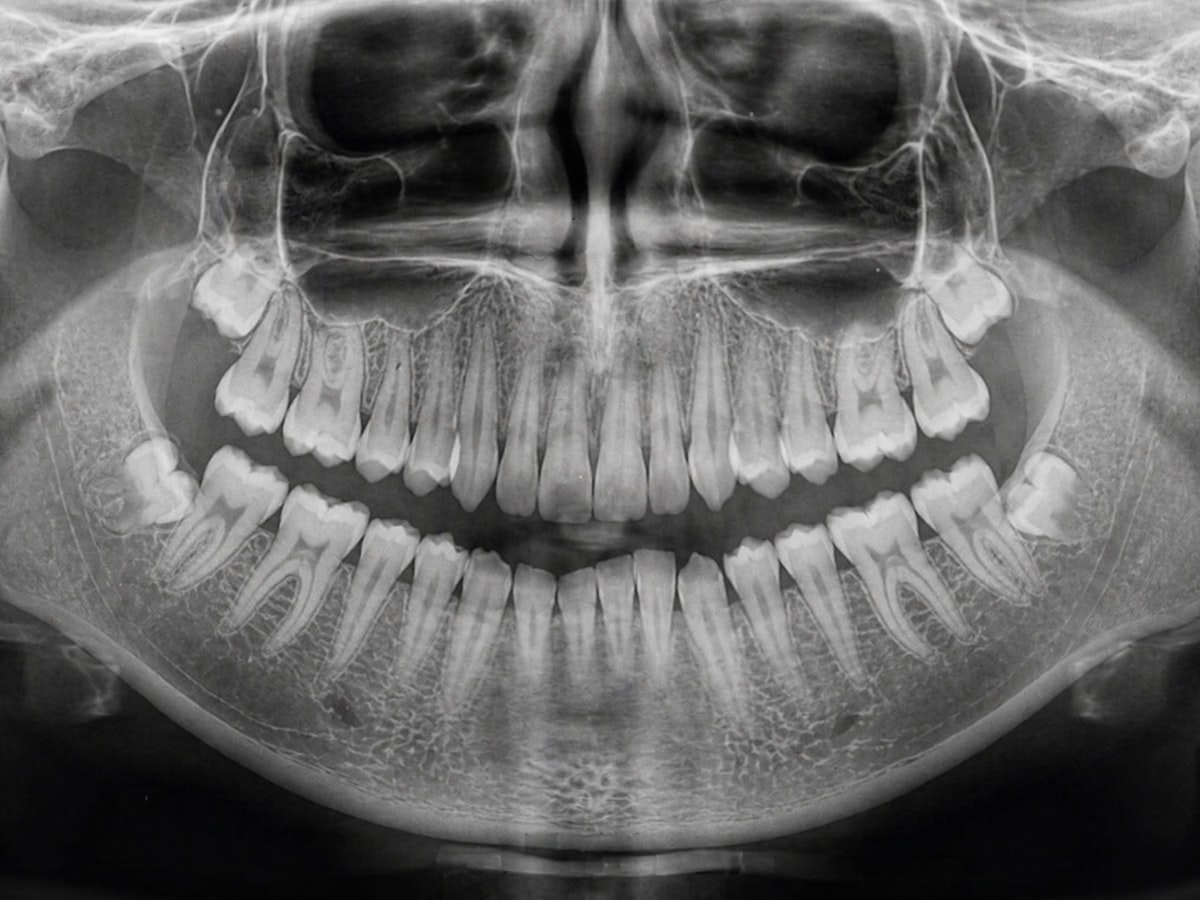
Wisdom teeth removal tends to get talked about as a single event, the appointment itself, but most people remember the recovery more vividly than the procedure. That is especially true when swelling peaks at an inconvenient time, sleep gets interrupted, or eating becomes more complicated than expected. If you are preparing for Wisdom Teeth Removal Oxnard CA, or helping a family member through it, the practical details matter. A smooth recovery usually comes down to good planning, realistic expectations, and a calm response to the normal ups and downs of healing.
In a coastal community like Oxnard, where people often want to get back to work, school, sports, or simply enjoy being outdoors, the temptation is to bounce back too quickly. Wisdom tooth recovery rarely rewards impatience. Most problems I see after extraction are not mysterious complications. They are often the result of overexertion, poor hydration, vigorous rinsing too early, or trying to eat regular food before the surgical sites are ready.
The good news is that recovery follows a fairly predictable pattern for most healthy patients. There can be variations based on age, the position of the wisdom teeth, whether the teeth were impacted, and whether sedation was used, but the overall rhythm is familiar. The first twenty four hours are about protection and bleeding control. Days two and three tend to bring the most swelling and stiffness. By the end of the first week, many people feel substantially better, though they may still need to be careful with chewing, oral hygiene, and activity.
What recovery really feels like in the first week
Patients are often surprised by how uneven wisdom tooth healing can feel. You may wake up on day two feeling worse than you did on the evening of surgery. That does not automatically mean something is wrong. Anesthesia and numbing medication wear off, inflammatory swelling rises, and your jaw muscles can become tight from being open during the procedure. This is especially common if lower wisdom teeth were buried in the bone or angled against neighboring teeth.
It also helps to know that recovery is not just about pain. Some people do not have severe pain at all, but they struggle with pressure, puffiness in the cheeks, a sore throat, chapped lips, bad breath, or a limited ability to open the mouth fully. Those symptoms https://alexishnks533.dovetailscope.com/posts/when-to-schedule-wisdom-teeth-removal-in-oxnard-ca can be unsettling if you are not expecting them. In most cases, they improve gradually as swelling subsides and the soft tissue begins to close.
For patients in Oxnard, timing sometimes becomes part of the decision making. Teenagers often have surgery during school breaks. Adults try to fit it around work schedules, caregiving, or travel plans. If you are choosing dates, it is wise to protect at least three low demand days after surgery. Many people can return to desk work or classes after that, but they may still appreciate an easier pace for the rest of the week.
The day of surgery: protect the blood clot
The first day has one main job, let the extraction sites stabilize. The body forms blood clots in the sockets, and those clots are not incidental. They are the foundation for proper healing. If they are dislodged too early, recovery becomes more painful and much slower.
Pressure from gauze helps control oozing. Slight blood tinging in saliva can continue for several hours, sometimes longer, and can look more dramatic than it is. A little pink saliva is not the same thing as active bleeding. What matters is whether fresh blood continues to pool rapidly despite firm pressure.
Most patients do best when they go home, rest with their head elevated, take prescribed or recommended medication on schedule, and avoid the common mistakes that disrupt early healing. Those mistakes are easy to make because they seem harmless in the moment. A strong rinse feels cleansing. A straw seems convenient. Spitting seems like a natural way to get rid of bloody saliva. Unfortunately, each of those actions can create suction or pressure changes that interfere with the clot.
Here is the short version of what matters most on day one:
- Keep steady pressure on gauze as directed and change it only when needed.
- Use cold packs in intervals to limit swelling.
- Stick to soft, cool foods and plenty of fluids, but no straws.
- Rest, keep your head elevated, and avoid strenuous activity.
- Take pain medication exactly as instructed, before discomfort escalates.
That simple framework prevents a surprising number of rough recoveries. Patients who skip pain medication until pain becomes intense often have a harder night. Patients who do too much because they “feel okay” sometimes notice throbbing and renewed bleeding a few hours later.
Day two and day three: the swelling phase
By the second day, many people expect to be turning a corner. Sometimes they are, but it is equally common to feel more swollen, more tired, and stiffer through the jaw and cheeks. This is usually the body doing its normal work. Swelling often peaks around forty eight to seventy two hours after surgery.
This is the phase when routines matter. Continue soft foods, continue hydration, and continue oral care as instructed. Depending on the surgeon’s recommendations, gentle saltwater rinses may begin after the first day. The key word is gentle. There is no prize for forceful rinsing. I have seen patients irritate otherwise healthy sites just by trying too aggressively to “keep everything clean.”
Food choices are also worth discussing because appetite and chewing ability vary more than people expect. Yogurt, smoothies eaten with a spoon, applesauce, mashed potatoes, lukewarm soup, oatmeal if tolerated, scrambled eggs, and cottage cheese are common early options. Temperature matters. Very hot food can increase bleeding, and very crunchy food can lodge particles in the sockets. Rice can be particularly annoying because it hides where you least want it.
One college student I once advised thought he was playing it safe by eating soft bread on day two. It was not hard, spicy, or hot, so he assumed it was fine. The problem was that the bread compacted into sticky fragments near the lower extraction sites. He spent the evening anxious that something had gone wrong, when the real issue was texture. Recovery is full of these small practical lessons. Soft is not always enough. Soft and low residue is usually better.
Day four through day seven: improvement, with a few catches
For many patients, days four through seven bring visible progress. Swelling starts to come down. Speaking feels easier. Sleep gets better. Pain medication can often be reduced, though that should always follow the instructions given by the treating office. This is also when impatience tends to return.
A person may feel seventy percent better and assume the rest of recovery will take care of itself. Then they try a workout, eat chips, forget to irrigate as instructed, or stop drinking enough water. Lower wisdom tooth sites, in particular, can remain tender and trap debris even after the patient feels generally well. Improvement is real, but tissues are still fragile.
This window is also when some patients worry about bad breath or a strange taste. Mild odor can occur while healing tissue and food debris are part of the picture. That does not automatically mean infection. On the other hand, worsening pain, increasing swelling after initial improvement, fever, pus, or a foul taste combined with significant tenderness deserves professional attention. Context matters. A mild unpleasant taste that gets better after careful rinsing is very different from a persistent bad taste with escalating discomfort.
If your oral surgeon provided a syringe for irrigating lower extraction sites, use it exactly as directed and not before you have been told to do so. The timing can vary based on the procedure and the surgeon’s technique. Some offices recommend waiting several days before irrigation begins. Patients sometimes start too early out of enthusiasm, only to create more irritation.
The foods that help, and the foods that make recovery harder
Diet after surgery should support healing without creating unnecessary cleanup. This sounds obvious, but many frustrating recoveries come down to food texture rather than pain tolerance. The body can often handle a wider range of foods before the extraction site can handle the crumbs or pressure those foods generate.
Smooth, moist, bland foods generally win in the first few days. Cold and room temperature choices are usually most comfortable at first, then lukewarm foods become easier as the mouth settles. Protein matters more than people think. If all you consume is pudding and applesauce, energy may dip quickly. Eggs, Greek yogurt, protein shakes taken without a straw, soft beans if tolerated, and blended soups can make a noticeable difference in how steady you feel.
The risky foods are the ones patients miss most, crunchy snacks, spicy meals, seedy fruits, alcohol, and very hot beverages. They are not universally off limits forever, but they are poor choices during the early healing window. I have seen otherwise careful patients set themselves back with one enthusiastic attempt at tacos, toasted bread, or popcorn. Oxnard has no shortage of excellent food, but this is one week when restraint pays off.
Pain control is easier when it is proactive
Pain after wisdom tooth surgery varies widely. Some patients, especially younger patients with uncomplicated upper extractions, report mild soreness. Others, particularly those with impacted lower molars, experience more substantial discomfort. It helps to think less in terms of toughness and more in terms of timing. Pain is easier to control before it becomes intense.
If your provider recommended alternating medications or using a certain schedule for the first day or two, follow that plan carefully unless you have been told otherwise. Delays happen when people sleep through a dose, decide they feel fine and stop too soon, or wait until pain “proves” itself. That often leads to a rough catch up period.
Ice also plays a bigger role than many adults expect. People tend to associate ice packs with sports injuries, but facial swelling responds well to cold during the early phase. Used consistently in the first day, and sometimes into the second, it can reduce both discomfort and visible puffiness. Later, some providers advise transitioning to warmth to ease jaw stiffness, but that depends on the individual case and timing.
Dry socket, the complication everyone worries about
Dry socket gets mentioned so often that patients sometimes assume any pain means they have it. In reality, normal postoperative soreness is far more common. Dry socket usually develops when the blood clot is lost too early, exposing bone and nerve endings in the socket. It tends to cause a distinct pattern, pain that intensifies a few days after surgery rather than gradually improving, often radiating toward the ear or along the jaw.
Not every patient is equally likely to develop it. Tobacco use raises risk. So do vigorous suction actions, such as using straws, forceful spitting, or smoking soon after surgery. Lower extractions are more often involved than uppers. Patients who have had dry socket before are often especially anxious about it, and understandably so.
The good news is that dry socket, while painful, is treatable. It is not usually dangerous, but it does merit prompt contact with the treating office because patients feel markedly better when the site is cleaned and medicated appropriately. The worst approach is to assume severe escalating pain is something you simply need to endure.
Signs that deserve a call to the office
Most postoperative questions can be handled with reassurance and home care adjustments, but certain symptoms deserve direct communication with your oral surgeon or dentist. The exact threshold can vary by case, especially if the removal was complex, though several patterns are consistently important.
Call if you notice any of the following:
- Bleeding that remains heavy despite firm gauze pressure.
- Pain that sharply worsens after initial improvement.
- Swelling that continues to increase after day three, or swelling with fever.
- Trouble swallowing, breathing, or opening the mouth beyond expected stiffness.
- A persistent foul taste, visible pus, or other signs that suggest infection.
Patients sometimes hesitate because they do not want to “bother” the office. That is a mistake. Good surgical offices expect postoperative calls, and many minor issues are much easier to solve early than late. A short phone conversation may confirm that everything is normal, or it may catch a developing problem before it becomes more uncomfortable.
Teenagers, adults, and the difference age can make
Age influences wisdom tooth recovery more than many families realize. Teenagers and patients in their early twenties often heal faster and with less stiffness than adults in their late twenties, thirties, or beyond. That does not mean older adults should be alarmed, only that the timeline can stretch a bit. Bone is denser, roots may be more developed, and inflammation can feel more pronounced.
I often tell adult patients to avoid comparing themselves with a seventeen year old cousin who “had four out on Friday and went to the beach on Sunday.” Different anatomy, different healing response, different procedure. Recovery should be judged against your own instructions and your own daily improvement, not somebody else’s story.
Adults are also more likely to have work obligations and family responsibilities that pull them back into normal life before they are ready. If that sounds familiar, prepare in advance. Stock easy foods. Arrange childcare if needed. Set up your sleeping space with extra pillows. Fill prescriptions before the procedure, not afterward. These small logistical choices reduce stress when you are groggy and swollen.
What patients in Oxnard should consider when planning recovery
Anyone scheduling Wisdom Teeth Removal Oxnard CA should think beyond the procedure date itself. Transportation matters if sedation is involved, since you will need a responsible adult to drive you and usually stay with you for at least the first part of recovery. If your home is a drive from the surgical office, have gauze, water, and an ice pack plan ready before you leave.
Local lifestyle matters too. Warm weather, errands, and family activities can make it tempting to stay out and about. Yet even a simple afternoon of being overly active can increase throbbing and swelling. If you have a physically demanding job, assume you may need more downtime than someone who works from a laptop at home. If you play sports, ask specifically when return is safe rather than guessing.
Oxnard patients also ask about beach days and outdoor plans. Sand, sun, and salty air are not dangerous in themselves, but prolonged heat exposure, dehydration, and overactivity are poor companions for early healing. During the first several days, comfort usually improves most when you stay cool, rest, and keep fluids consistent.
A steady recovery is usually a quiet one
The most successful recoveries are rarely dramatic. They tend to be uneventful, even a little boring. Bleeding slows. Swelling peaks and then recedes. Meals are simple. Hygiene is careful. Activity stays limited until the body is ready for more. That may not make for an interesting story, but it is usually the path to the least painful week.
If you are preparing for wisdom tooth surgery, think of recovery as an active process rather than passive waiting. The body does the healing, but your choices protect it. The extraction itself may take less than an hour. The way you handle the next seven days often determines whether that hour fades into memory quickly or lingers as a frustrating experience.
For patients arranging Wisdom Teeth Removal Oxnard CA, a day by day mindset is often the most helpful. Focus on what healing needs today, not what you hope to be doing tomorrow. That approach sounds simple, but in practice it keeps you from pushing too fast, overlooking warning signs, or making a small decision that turns into a painful setback. Most people improve steadily when they respect the process.
Oxnard Dentistry
1730 E Gonzales Rd
Oxnard, CA 93036, United States
Phone: +1 805-307-8731
FAQ About Wisdom Teeth Removal Oxnard CA
How much does it cost to get wisdom teeth removed in California?
Fees depend on tooth position, the number of extractions, imaging and anesthesia. Oxnard Dentistry can provide an individual estimate after examining your teeth. Ask for an itemized plan and confirm insurance benefits before scheduling.
Will insurance cover wisdom teeth removal?
Coverage and out-of-pocket costs vary by policy and the treatment required. Ask the dental office and your insurer to verify benefits, annual limits and any authorization requirements. A benefit estimate does not guarantee payment.
Is 30 too old to have wisdom teeth removed?
Age alone does not determine whether extraction is appropriate. A dentist evaluates symptoms, tooth position, oral health and medical history. Healthy, functional wisdom teeth may be monitored; teeth causing disease or other problems may need treatment.